- Most public adjusters are paid on a contingency fee (a percentage of what they recover).
- Fees are typically discussed up front and in writing.
- Payment usually comes after insurance funds are issued.
APPLIES TO
IS EARNED

Insurance companies commit themselves to minimizing necessary repair costs and their claim payout to policyholders by taking advantage of the policyholder’s lack of experience. We can help protect you and uphold the insurance company’s obligation to make proper payments.

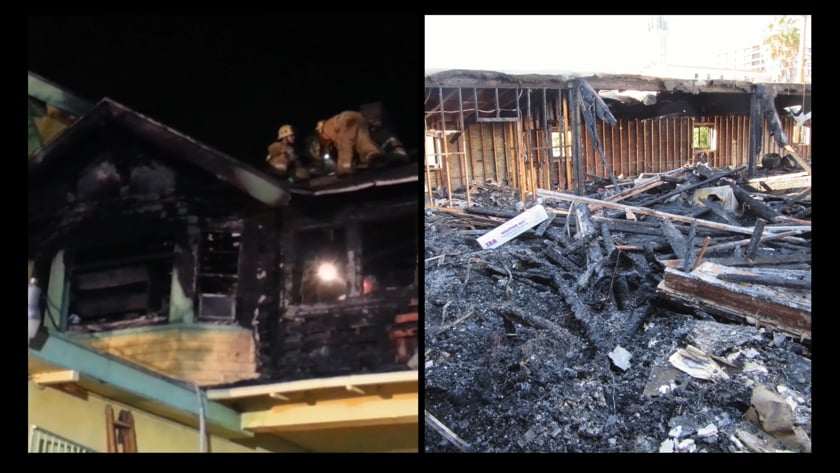
Residential and commercial property loss for water, fire, earthquake, flood, and theft. To this day, Excel Adjusters has currently handled over 2,000 damaged property claims.

With over 30 years of handling property claims and background experience as a contractor, Excel Adjusters Inc. strives to help our clients receive the proper amount on their damaged properties. We also guide the insured throughout the entire process.
There is no cost to you unless we successfully recover what you are owed.
A public adjuster is an independent analyst who is called in to help consumers settle an insurance claim. When a policyholder submits a claim to their insurance company, the provider has an adjuster on their side and so should you. An independent insurance adjuster will assess the loss incurred by the policyholder and calculate an appropriate payout based on the incident and the resulting damage. A public adjuster often recommends a higher payout on the claim than an adjuster appointed by the insurance company.
Why is that? Because the insurance company’s adjuster has their best interests in mind and will attempt to limit their cost on your settlement. A public insurance claims adjuster works independently of your insurance company and audits your claim with the goal of securing the best possible payout based on the extent of your loss or damage.
Both types of adjusters do similar work on the same claim. However, your public adjuster may take a different approach to the auditing process, their investigation can sometimes be more thorough and in-depth than the adjuster assigned by your insurance company. The company’s adjuster may not be as invested in gathering all the facts and exploring every aspect of the incident to fully understand the bigger picture. An independent public adjuster performs this additional level of inquiry to obtain all the information and data necessary for a fair and appropriate settlement amount.




The damage is significant, widespread, or affecting multiple rooms.

You are being asked to make decisions before the full damage is understood.
The loss involves fire, smoke, soot, or water from plumbing appliances, slab leaks, or internal failures.
You feel overwhelmed managing documentation, vendors, and insurer communication.
The insurance company’s estimate feels incomplete, rushed, or unclear.
Date and cause of loss (what happened and when).
Photos or videos of visible damage (before cleanup if available).
Any emergency mitigation invoices or work orders.
Your insurance company’s estimate, payment breakdown, or letters (if issued).
Your policy declarations page (helpful but not required).
Notes on what areas still feel unresolved or disputed.
Are you licensed in my state, and can you provide the license number?
How much experience do you have with fire or plumbing-related water claims like mine?
Will you personally handle my claim, or will it be delegated?
How do you document damage beyond what is immediately visible?
How do you communicate updates, and how often?
What challenges do you commonly see carriers raise on these claim types?